
Tips for Maintaining Good Hearing
- Sharp Hearing

- Feb 7
- 3 min read
Updated: Feb 28
Hearing and balance are two critical senses that significantly impact our daily lives. As we age or face various environmental factors, maintaining these senses becomes increasingly important. Poor hearing can lead to social isolation, while balance issues can result in falls and injuries. Fortunately, there are several practical steps you can take to protect and enhance your hearing and balance. In this post, we will explore effective strategies to help you maintain good hearing and balance throughout your life.

Understanding Hearing and Balance
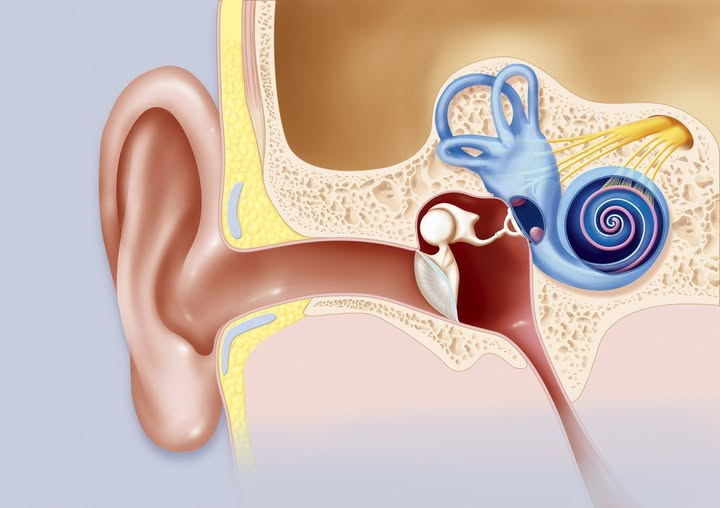
Before diving into tips for maintaining good hearing and balance, it's essential to understand how these senses work.
The Hearing Process
Hearing involves the transmission of sound waves through the air, which are then converted into electrical signals by the inner ear. These signals travel to the brain, where they are interpreted as sounds. Factors that can affect hearing include:
Age: Presbycusis, or age-related hearing loss, is common among older adults.
Noise Exposure: Prolonged exposure to loud noises can damage the hair cells in the cochlea, leading to hearing loss.
Health Conditions: Certain medical conditions, such as diabetes or ear infections, can impact hearing.
The Balance System
Balance is primarily controlled by the vestibular system, located in the inner ear. This system works in conjunction with the eyes and proprioceptors in the body to maintain stability. Factors affecting balance include:
Vestibular Disorders: Conditions like Meniere's disease can disrupt balance.
Muscle Strength: Weak muscles can lead to instability.
Vision: Poor eyesight can affect balance.
Tips for Maintaining Good Hearing
Protect Your Ears
One of the most effective ways to maintain good hearing is to protect your ears from loud noises. Here are some strategies:
Use Ear Protection: When attending concerts or working in noisy environments, wear earplugs or noise-canceling headphones.
Limit Volume: Keep the volume on personal audio devices at a safe level. A good rule of thumb is the 60/60 rule: listen at no more than 60% volume for no longer than 60 minutes at a time.
Take Breaks: If you are exposed to loud sounds, take regular breaks to give your ears a rest.
Regular Hearing Check-ups
Regular hearing assessments can help detect issues early. Consider the following:
Annual Hearing Tests: Schedule annual check-ups with an audiologist, especially if you are over 50 or have a family history of hearing loss.
Monitor Changes: Pay attention to any changes in your hearing and report them to your healthcare provider.
Maintain Ear Hygiene
Keeping your ears clean can prevent infections that may affect hearing. Here are some tips:
Avoid Cotton Swabs: Using cotton swabs can push wax deeper into the ear canal. Instead, clean your ears with a damp cloth.
Stay Dry: After swimming or bathing, ensure your ears are dry to prevent infections.
Tips for Maintaining Good Balance
Stay Active
Physical activity is crucial for maintaining balance. Here are some exercises to consider:
Strength Training: Incorporate exercises that strengthen your legs and core, such as squats and lunges.
Balance Exercises: Activities like yoga, tai chi, or simple balance exercises (e.g., standing on one leg) can improve stability.
Walking: Regular walking, especially on uneven surfaces, can enhance balance and coordination.
Improve Your Environment
Making changes to your living space can help prevent falls and improve balance:
Remove Hazards: Keep floors clear of clutter and secure loose rugs to prevent tripping.
Install Handrails: In areas like staircases and bathrooms, handrails can provide support.
Adequate Lighting: Ensure your home is well-lit to help navigate safely.
Stay Hydrated and Nourished
Proper nutrition and hydration play a role in maintaining balance:
Hydration: Dehydration can lead to dizziness. Aim to drink enough water throughout the day.
Balanced Diet: A diet rich in vitamins and minerals, particularly vitamin D and calcium, supports bone health and balance.
The Connection Between Hearing and Balance
Interestingly, hearing and balance are interconnected. The inner ear houses both the cochlea (responsible for hearing) and the vestibular system (responsible for balance). Damage to one can affect the other. Here are some ways to support both senses:
Regular Check-ups: As mentioned, regular hearing tests can help catch issues early, which may also impact balance.
Healthy Lifestyle: A balanced diet, regular exercise, and avoiding smoking can benefit both hearing and balance.
Conclusion
Maintaining good hearing and balance is essential for a healthy and active lifestyle. By taking proactive steps such as protecting your ears, staying active, and making environmental adjustments, you can significantly enhance your quality of life. Remember, regular check-ups and a healthy lifestyle are key components in preserving these vital senses.
Take charge of your hearing and balance today, and enjoy the benefits of a more vibrant and engaged life!


Comments