
The Connection Between Hearing Health and Balance
- Sharp Hearing

- Feb 7
- 3 min read
Updated: Feb 17
Hearing health is often overlooked when discussing overall wellness, yet it plays a crucial role in maintaining balance. Many people may not realize that our ability to hear is intricately linked to our sense of balance. This blog post explores the connection between hearing health and balance, the underlying mechanisms, and practical steps to maintain both.

Understanding the Basics of Hearing and Balance
To grasp the connection between hearing and balance, it is essential to understand how both systems function.
The Anatomy of Hearing
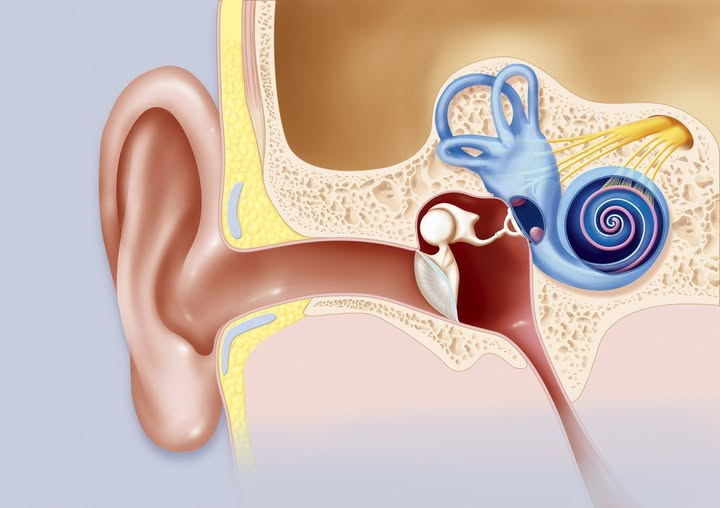
The ear is divided into three main parts: the outer ear, middle ear, and inner ear. The inner ear contains the cochlea, which is responsible for hearing, and the vestibular system, which helps maintain balance.
Cochlea: This spiral-shaped organ converts sound waves into electrical signals that the brain interprets as sound.
Vestibular System: Comprising three semicircular canals and two otolith organs, this system detects head movements and changes in position, helping us maintain balance.
The Role of the Vestibular System
The vestibular system works closely with the visual and proprioceptive systems to help us maintain our balance. When we move, the vestibular system sends signals to the brain about our position and motion. If any part of this system is compromised, it can lead to balance issues.
The Link Between Hearing Loss and Balance Problems
Research indicates that hearing loss can significantly impact balance. Studies have shown that individuals with hearing impairment are at a higher risk of falls and balance-related issues.
How Hearing Loss Affects Balance
Disrupted Sensory Input: Hearing loss can lead to a lack of auditory cues that help orient us in our environment. Sounds like footsteps or approaching vehicles provide essential information about our surroundings.
Cognitive Load: When hearing is compromised, the brain has to work harder to process information. This increased cognitive load can divert attention from balance, making it more challenging to maintain stability.
Vestibular Dysfunction: Some forms of hearing loss, particularly those related to age or certain medical conditions, can also affect the vestibular system, further impairing balance.
Statistics on Hearing Loss and Falls
According to the National Institute on Deafness and Other Communication Disorders, approximately one in three adults aged 65 and older experience some degree of hearing loss.
Research published in the Journal of the American Geriatrics Society found that older adults with hearing loss are nearly three times more likely to experience a fall than those with normal hearing.
Practical Steps to Maintain Hearing Health and Balance
Maintaining both hearing health and balance is essential for overall well-being. Here are some practical steps to consider:
Regular Hearing Check-ups
Regular hearing assessments can help detect issues early. If you notice any changes in your hearing, consult an audiologist. Early intervention can prevent further deterioration and associated balance problems.
Balance Exercises
Incorporating balance exercises into your routine can strengthen your stability. Consider activities such as:
Tai Chi: This gentle form of martial arts focuses on slow, controlled movements and can improve balance and coordination.
Yoga: Many yoga poses enhance balance and flexibility, contributing to overall stability.
Protect Your Hearing
Protecting your hearing is crucial for maintaining balance. Here are some tips:
Avoid Loud Noises: Limit exposure to loud environments, and use ear protection when necessary.
Volume Control: Keep the volume at a safe level when using headphones or earbuds.
Stay Active
Regular physical activity supports both hearing and balance. Engaging in aerobic exercises, strength training, and flexibility workouts can enhance overall health and well-being.
Nutrition for Hearing Health
A balanced diet rich in vitamins and minerals can support hearing health. Consider incorporating:
Omega-3 Fatty Acids: Found in fish, walnuts, and flaxseeds, these can help maintain healthy blood flow to the ears.
Antioxidants: Foods rich in vitamins C and E, such as citrus fruits and nuts, may protect against age-related hearing loss.
The Importance of Early Intervention
Recognizing the signs of hearing loss early can significantly impact balance and overall quality of life. If you or a loved one experiences symptoms such as difficulty hearing conversations, frequently asking for repetition, or feeling unsteady, it is crucial to seek professional help.
Hearing Aids and Balance
For those diagnosed with hearing loss, hearing aids can be a game-changer. They not only improve auditory input but can also enhance balance by providing essential environmental sounds.
Rehabilitation Programs
If balance issues arise, consider enrolling in a rehabilitation program. These programs often include physical therapy focused on improving balance and coordination, which can be especially beneficial for older adults.
Conclusion
The connection between hearing health and balance is undeniable. By understanding this relationship, we can take proactive steps to maintain both. Regular check-ups, protective measures, and lifestyle changes can significantly improve quality of life and reduce the risk of falls.
Take charge of your hearing health today. Schedule a hearing assessment, engage in balance exercises, and protect your ears from loud noises. Your balance—and overall well-being—depends on it.


Comments